
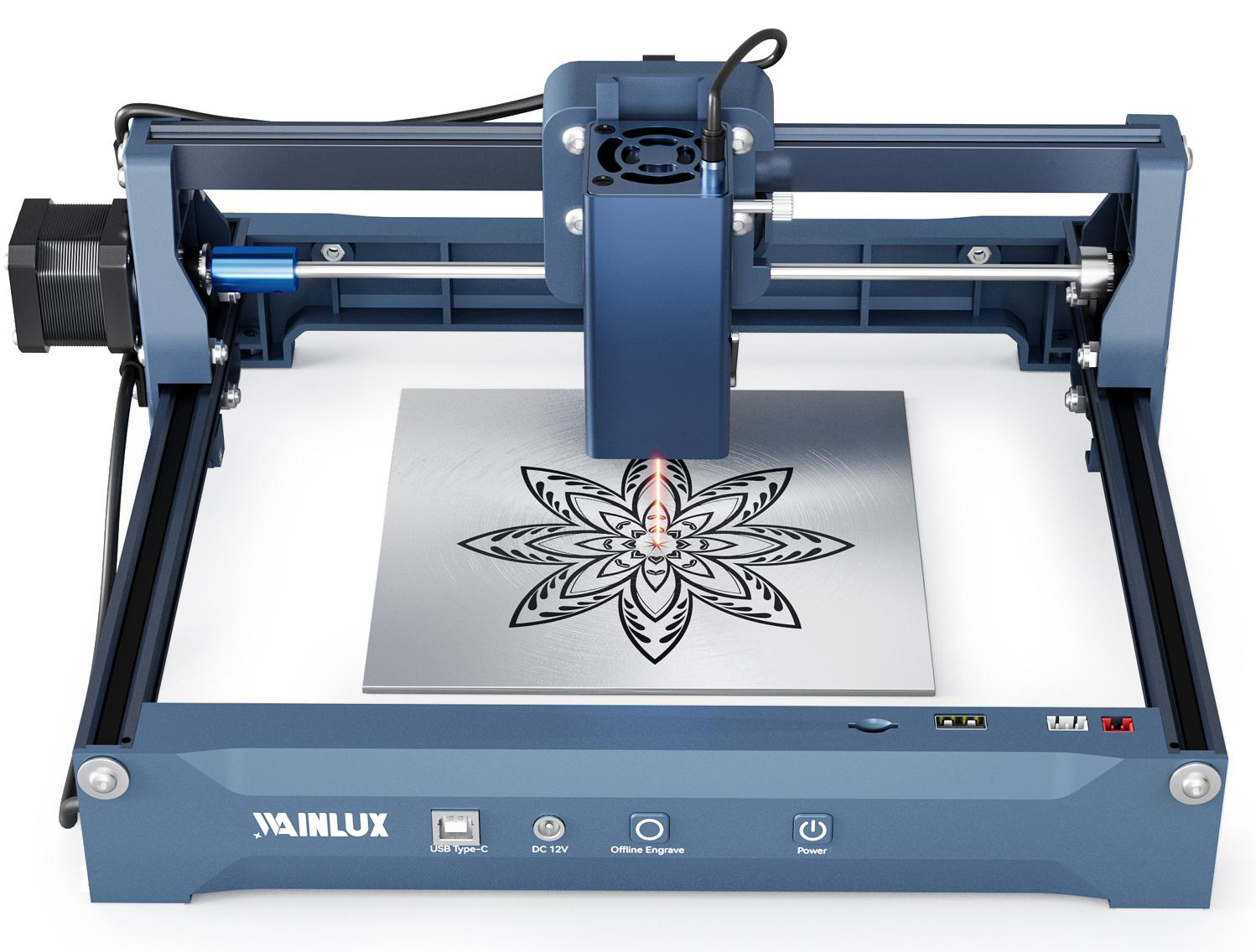
Seven questions B2B buyers should ask any laser cutter supplier before ordering, with the specific answers that separate reliable manufacturers from risky ones.
A laser cutter supplier search returns hundreds of results that look identical: similar machines, similar claims, very different outcomes. The difference is almost never the spec sheet — it is how the supplier behaves before and after payment. These seven questions, asked in this order, will separate reliable suppliers from risky ones in a single email exchange.
Question 1: Are You the Manufacturer or a Trading Company?
Trading companies and factories can both be legitimate partners, but the answer changes everything downstream: who quotes, who builds, who services. Ask which machines are made in-house and which are resold. A manufacturer like Xiamen Spring Technology Co., Ltd. produces its laser engraving and cutting machines in its own 11,000 m² facility with 12 production lines — and can describe that operation in concrete detail. Vagueness here is the first red flag.
Question 2: What Can This Machine Actually Cut — and at What Depth?
Cutting claims need numbers attached to real materials. A good supplier answers with specifics, for example: a 5W 455nm diode unit cuts 3–5mm plywood; a 10W unit cuts 5–8mm plywood; a 20W machine cuts 12mm plywood and 15mm pine; a 40W flagship cuts 15mm plywood and 20mm pine in a single pass. If the reply is only "yes, it cuts wood," push for material, thickness and single-pass versus multi-pass. This question also tells you whether the supplier's sales team actually knows the product.
Question 3: Which Wavelength Do I Need for My Materials?
Cutting and engraving are wavelength-dependent. Blue diode (455nm) machines handle wood, bamboo, acrylic, leather, fabric, coated metals and prepared glass. 1064nm machines mark bare metal — gold, silver, copper, aluminum, stainless steel, zinc alloy — by vaporizing the surface cleanly. If you cut sheet goods and personalize non-metal products, diode is the workhorse; if you mark metal tags or jewelry, 1064nm is the tool. A reliable supplier asks about your materials before recommending a wattage.
Question 4: What Is Included in the Box?
For laser cutting specifically, two accessories decide cut quality: an air pump that blows smoke and debris out of the kerf, and a honeycomb board that supports material and reduces backside scorching. Some suppliers include both; others sell them separately after you discover the problem. Get the full packing list in writing, including software, cables, lenses and any protective cover.
Question 5: How Do You Control Quality Before Shipment?
Expect a concrete answer: incoming material inspection, functional testing of finished machines, appearance checks, and certification relevant to your market (ISO9001, CE, RoHS). Then ask whether your specific unit is test-fired and inspected before packing. Suppliers with real QC processes answer without pausing.
Question 6: What Happens When Something Fails?
Get the warranty and support process in writing: warranty length (1 year for spare parts is a common baseline), how faults are diagnosed (video-based troubleshooting is standard), spare part availability and pricing, and response times across time zones. A supplier who cannot describe a failure scenario calmly has probably never handled one professionally.
Question 7: What Are Your MOQ, Payment and Shipping Terms?
Finally, make the commercial terms explicit: sample MOQ (commonly 1–5 units), official order MOQ, payment structure (for example 100% prepayment on samples, 70/30 T/T on official orders), lead time for stock versus production orders, and shipping options — same-day packing for in-stock items, 5–9 business days DAP to forwarder warehouses, 12–15 business days air DDP. Suppliers who resist putting terms in the proforma invoice are creating tomorrow's dispute.
How to Score the Answers
- 7 solid answers: proceed to a sample order.
- 5–6: negotiate the gaps in writing before payment.
- Fewer than 5: keep searching — you now have questions most competitors cannot answer either.
FAQ
Should I always buy factory-direct?
Factory-direct usually wins on price, customization and spare parts. Trading companies can still add value with multi-product consolidation — just make sure you know which role your supplier is playing.
Can I get a sample before a bulk order?
Yes — established suppliers routinely ship 1–5 sample units with stock packed the same day. Use the sample to test your real production jobs, not just demo files.
What if my supplier's answers sound too good?
Ask for the same claims in the proforma invoice: cutting depths, warranty, included accessories. Written terms are the cheapest insurance in cross-border trade.
Ask Us These Questions
Xiamen Spring Technology Co., Ltd. manufactures the WAINLUX laser cutting and engraving line and answers all seven questions in the first reply. Email [email protected] with your material list for a written quotation and packing list.