
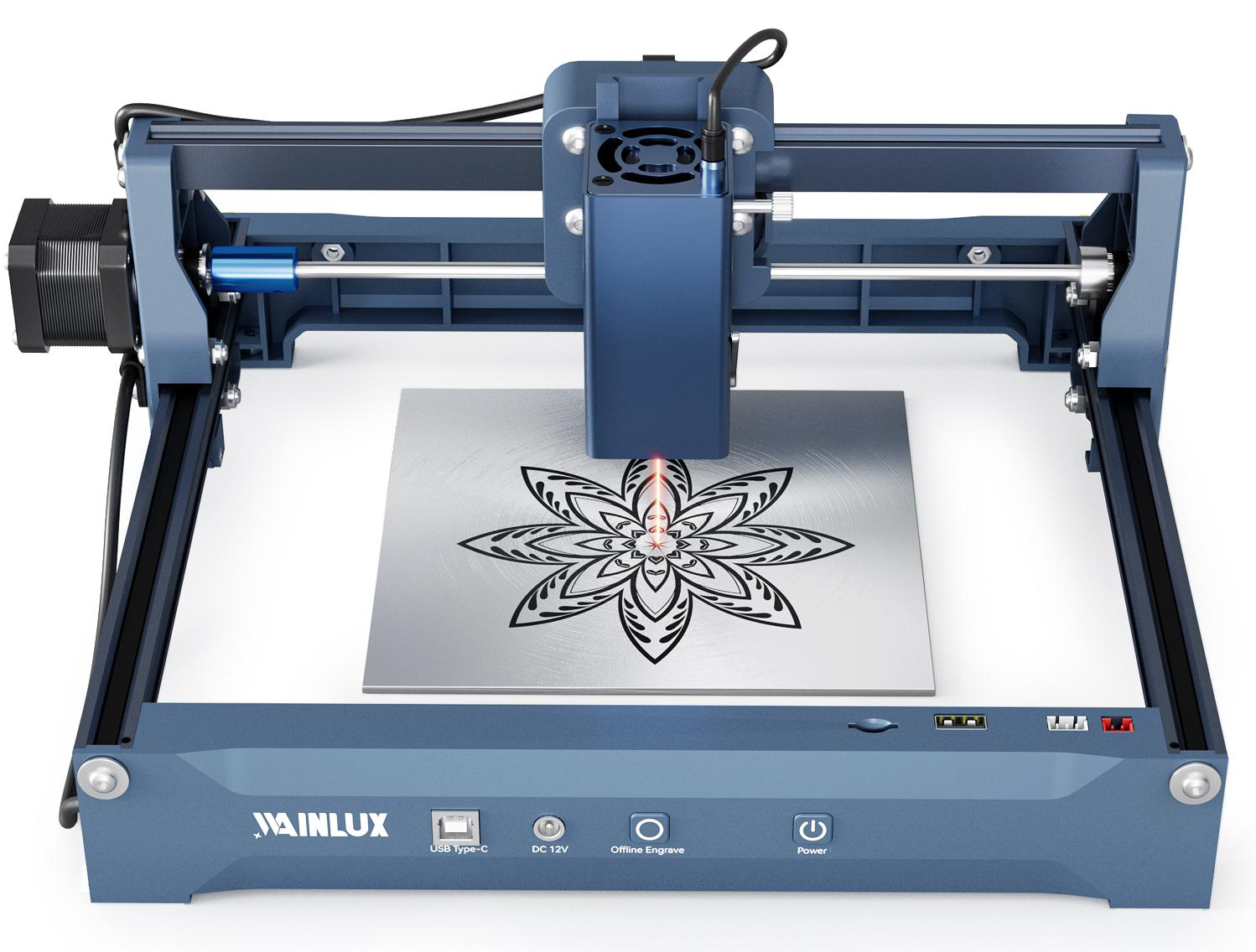
A comparison of the three supplier archetypes behind every laser cutter listing, what factory-direct sourcing really buys, and a one-day verification routine.
Searching for laser cutter manufacturers puts you in the biggest, noisiest part of the market — and the part with the widest gap between brochure and reality. This guide compares the three kinds of "manufacturers" you will actually encounter, explains what factory-direct sourcing really buys you, and gives you a verification routine you can complete in one working day.
The Three Archetypes Behind Every Listing
1. True manufacturers
They design and build in their own facility, hold the tooling and firmware, and service what they sell. Strengths: lowest true unit cost at volume, real customization (OEM/ODM), spare parts for years, engineers who answer technical questions. Weaknesses: minimum order discipline and less hand-holding for one-piece curiosity orders.
2. Trading companies
They buy from factories and resell. Strengths: broad catalogs, flexible small orders, consolidation of multiple product lines. Weaknesses: a margin layer on price, second-hand technical answers, and warranty claims that travel through an extra party.
3. Brand distributors
They sell an existing brand's machines in a region. Strengths: local support in your language and time zone. Weaknesses: highest prices, no customization, and repair waits tied to the brand's supply chain.
What Factory-Direct Actually Buys You
- Price that maps to manufacturing cost, not to a reseller's margin stack.
- Customization at the source: branding, packaging, configuration and firmware requests reach the people who can implement them.
- Spare parts continuity: the factory stocks what it builds; a trader stocks what sells.
- Faster technical truth: cutting depth, material behavior and software questions get first-hand answers.
The trade-off is real but manageable: factory-direct usually means clearer MOQs and payment terms rather than unlimited flexibility. For reference, a typical established-factory policy looks like: samples from 1–5 units, official orders at 50 pieces and above, 100% prepayment on samples and 70/30 T/T on official orders, same-day packing for in-stock machines and 5–9 business days DAP shipping to forwarder warehouses.
How to Verify a Manufacturer in One Day
- Morning: request a live video factory tour. Watch for actual assembly stations, testing benches and stored inventory — not a generic office.
- Midday: send two technical questions (one about cutting depth on your material, one about warranty parts). Time the replies and check whether answers contain specifics.
- Afternoon: ask for documents: business license scope, ISO9001 certificate, CE/RoHS marks, and a proforma invoice with warranty terms written in.
- Close: request an engraved sample video of your material and artwork, on the exact model you are buying.
A factory like Xiamen Spring Technology Co., Ltd. — manufacturing in Xiamen since 1998, with 12 production lines, an 11,000 m² facility and an in-house R&D team — passes this routine comfortably. Companies that cannot are telling you what they are.
Comparing Quotes the Right Way
Normalize every quote to the same basis before comparing: machine + included accessories (air pump, honeycomb board, software) + spares kit + shipping term (DAP vs DDP) + warranty coverage. A quote that looks 15% cheaper often becomes more expensive the moment you add the accessories another factory includes, or a warranty the other one writes into the PI.
Red Flags Specific to Cutter Sourcing
- Cutting depths quoted without material names or pass counts.
- "Certified" without certificate copies on request.
- Refusal to state which models are made in-house versus resold.
- Warranty that lives only in chat history.
FAQ
Is factory-direct always cheaper per unit?
At sample quantities, not necessarily — factories price small orders honestly. The advantage compounds at official order volumes and over the ownership period through spares and support.
Can manufacturers ship DDP to my country?
Most established factories offer DAP (to forwarder warehouses, typically 5–9 business days) and air DDP (roughly 12–15 business days); sea freight DDP varies by region. Confirm terms and documents — packing list, commercial invoice, tracking — before payment.
How do I start without a big commitment?
Order a 1–5 unit sample batch, run your real jobs, then scale to official volumes. Every serious manufacturer supports this path.
Source Direct From the Factory
Xiamen Spring Technology Co., Ltd. manufactures the WAINLUX laser cutter and engraver line and welcomes OEM/ODM buyers. Email [email protected] for a normalized quotation — machine, accessories, spares and shipping terms on one page.