
Topic Specifications
Browse engineered topic specifications by application, tolerance and material.

Heat Press Tumbler Work: Avoiding Wrap and Seam Failures
A troubleshooting guide for B2B buyers and decorators: the four common heat press tumbler failures — faded edges, seam ghosting, uneven wraps and lid-area voids — their causes in blank shape, wrap tension and pressure distribution, and the pre-production checks that catch them before a bulk run. Includes honest sourcing notes from Xiamen Spring Technology Co., Ltd. (est. 1998), an OEM/ODM manufacturer whose published line does not currently include tumbler presses.
2026-11-07
Sublimation Cup Press: From Blank Mug to Finished Order
A handoff-by-handoff walkthrough of the cup-sublimation chain — blank selection and coating checks, print and paper fit, wrap quality during pressing, and inspection and packing — with the specific points to verify before you commit to volume.
2026-11-07
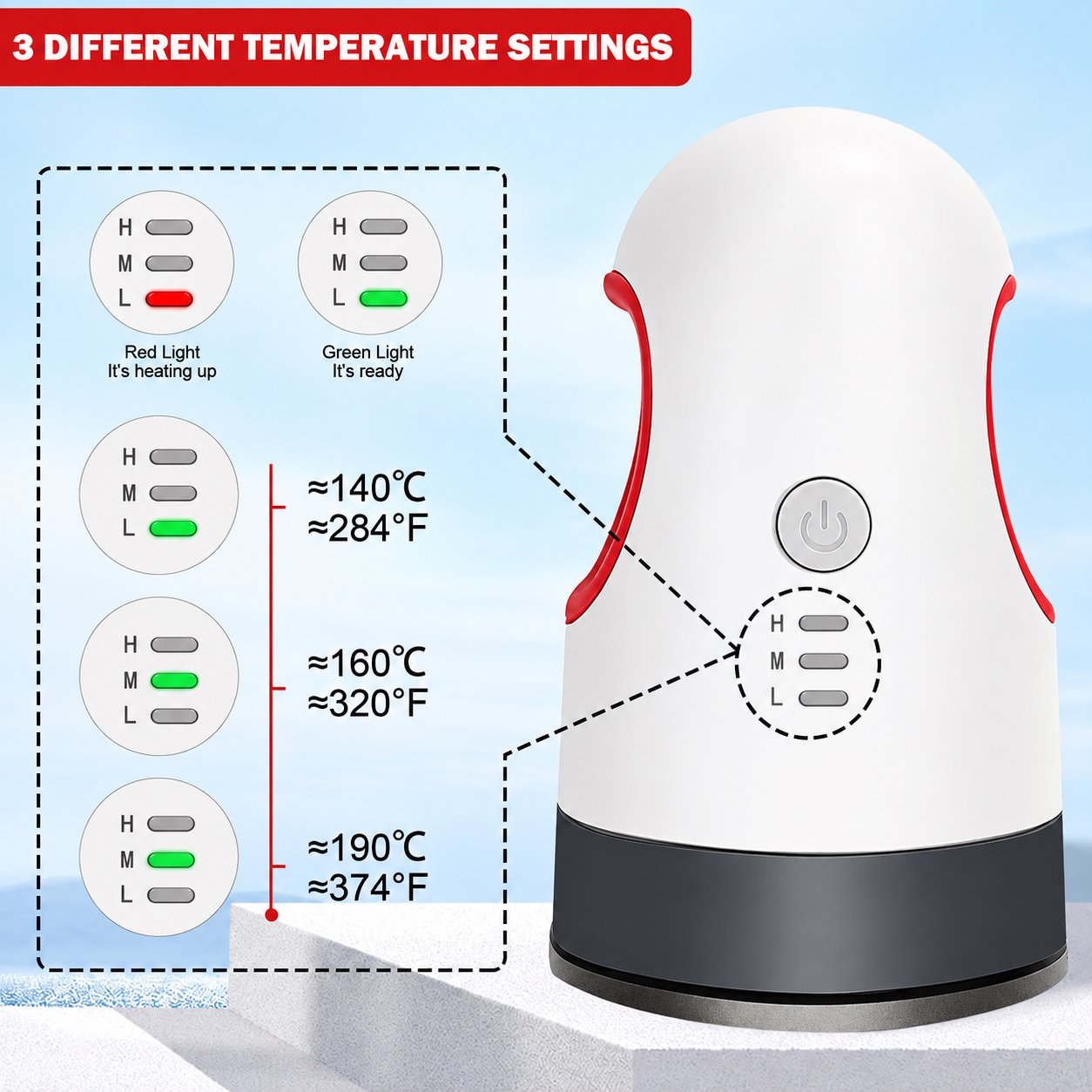
Vinyl Shirt Press: Temperature and Peeling Checks for HTV
A process-control guide for buyers running vinyl shirt production: why stable platen temperature drives adhesive activation, how even pressure stops edge lifting, how hot and cold peeling change your workflow, and how to run a small test matrix on samples before committing to an order.
2026-11-06

Dual Heat Press Machine: Two Stations or One Faster Press
A dual heat press machine raises throughput per operator but not for free — two stations mean two platens, two pressure settings and one more thing to go wrong. This article compares a two-station setup against two single-station presses and one faster automatic press across staffing, floor space, redundancy and total cost, and gives a decision framework for matching a machine to an order profile.
2026-11-06

6 in 1 Heat Press Machine: When Multi-Function Pays Off
A 6 in 1 heat press adds mug, plate, and cap attachments to a flat platen, but those extras only pay off if your weekly mix justifies them. This buyer's guide shows how to audit attachment use, compares dedicated flat presses like the C05 12x10 in and C03 9x9 in, and explains when a multi-function unit helps or hurts core garment work.
2026-11-06
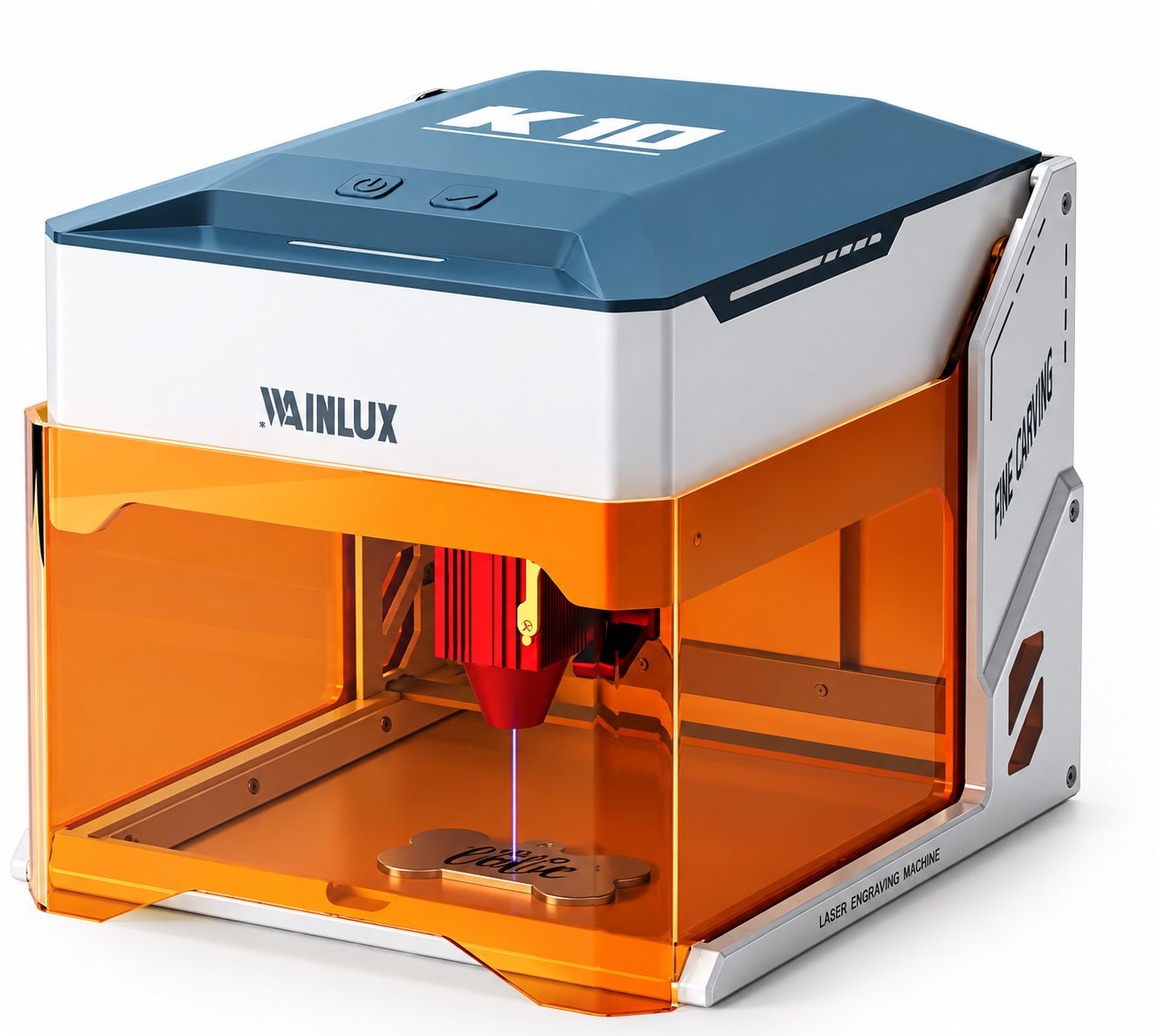
Acrylic Engraving Machine: Cast, Extruded and the Right Head
Acrylic is not one material. Cast and extruded sheet behave differently under a laser, and edge quality depends on both the sheet and the head. This buyer-focused guide explains how to identify the two types, what results to expect, which power class matches engraving versus cutting, and a sample-plate test you can run before you buy an acrylic engraving machine.
2026-11-05
Best Wood Engraving Machine: Matching Grain, Finish and Power
Wood isn't one material. Grain direction, moisture, resin and surface finish change how a laser engraves, so the best wood engraving machine for your work is the one whose power head matches the species and finish you run. This buyer's guide explains how 5W, 10W and dual-laser heads behave across hardwoods, softwoods and engineered boards, and gives a repeatable species-and-finish test you can run before you commit to a machine.
2026-11-05

Small Laser Engraver for Metal: Choosing Coated Marking or Bare Metal
The first decision when buying a small laser engraver for metal is surface type. Coated or anodised metal can be marked with a compact 455nm machine, while bare metal requires a 1064nm head. This article explains what each path means for size, budget and job range, then helps you decide between a dedicated unit and a compact dual-head system.
2026-11-05
Laser Branding Machine: From Logo File to Consistent Mark
A buyer-focused guide to keeping a logo mark identical across a batch: vector file cleanup, fixture repeatability, per-material presets, wavelength match, and a step-by-step logo-to-batch workflow. Includes a surface-to-machine mapping table and practical machine notes.
2026-11-03
Laser Etcher for Wood: Surface Results Beat Spec Sheets
Wood is unforgiving: a laser etcher can post impressive wattage and still leave scorched edges or flat, muddy contrast. This buyer-focused guide explains what actually controls surface quality — wavelength, power head, focus, and surface prep — with a wood-surface look-up table and a test-grid method you can run on samples before you commit to a machine.
2026-11-03